
NEWS
IN BRIEF
In an impactful initiative aimed at empowering youth, women, […]
SHARE
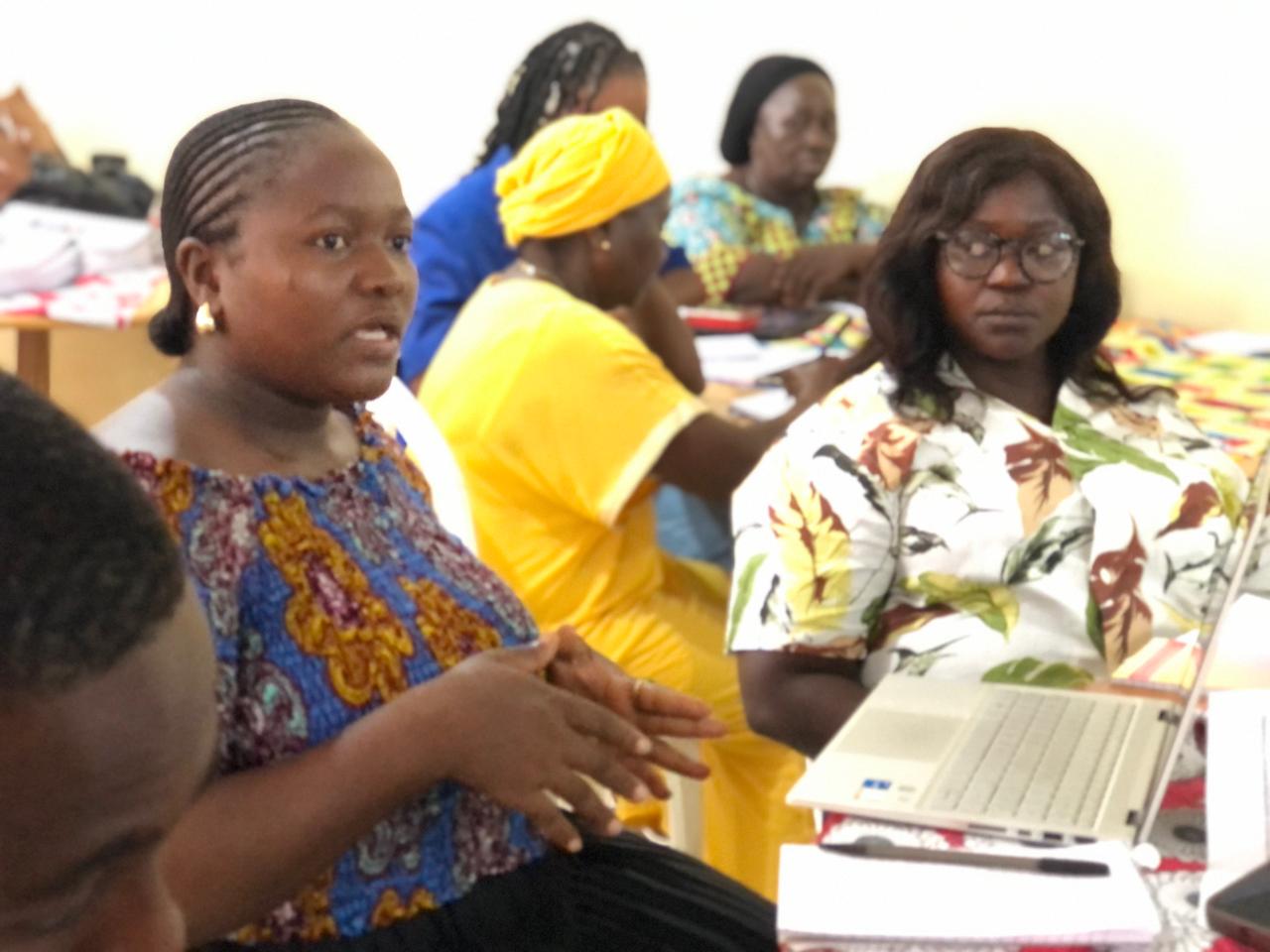
 In an impactful initiative aimed at empowering youth, women, and people living with disabilities (PLWD) through digital literacy and advocacy, 24 participants from 12 organizations in Lofa and Montserrado counties were trained in a refresher training of trainers (TOT) workshop held on April 2-3, 2025. The training, which provided crucial skills in digital advocacy, was designed to elevate the capacity of the youth groups and community leaders, enabling them to share essential knowledge with their respective organizations and communities.
Training of Trainers
The refresher training was an intensive exercise focused on enhancing the participants’ understanding of key digital skills. The 24 participants, 14 females and 10 males, were drawn from 12 organizations dedicated to youth, women, and PLWD, nine from Montserrado and three from Lofa, respectively. These organizations were a mix of one exclusive PLWD organization, four women’s organizations, and seven youth organizations.
Participants were rigorously assessed through a pre-posttest to measure their level of understanding of the materials presented. The pre-test revealed an average score of 74.71%, and the post-test score averaged 79.81%. This improvement of 5.1% in knowledge and skills gained demonstrated the effectiveness of the training and reinforced the importance of continuous education in digital literacy and advocacy.
Training Methods
This training was built on youth-centered, experiential, and peer-learning methods to ensure participants gain digital skills they can apply immediately within their organizations and communities. The approach is grounded in:
Learning by doing, practice over theory
Collaboration and peer exchange
Inclusivity & accessibility (gender, disability, education level)
Local relevance & real community problem-solving, including advocacy
The training covered a wide range of topics that are crucial for today’s digital environment. These included:
Facilitation Skills & Techniques
Basic Computer Skills
Digital Literacy & Internet Fundamentals
Introduction to Social Media & Online Safety
Effective Media & Digital Communication
Digital Advocacy Planning & Launching
The training equipped participants not only with the knowledge of digital tools but also with practical advocacy skills to help them leverage technology for community development and empowerment.
Community Awareness Activities
One of the key components of the training was the community outreach initiative that took place between May 15-20, 2025. Each of the 12 organizations organized and executed community awareness campaigns in their respective counties: 8 communities in Lofa and 27 in Montserrado.
Over 600 participants, rallied by the 12 youth organizations (50 persons each), including 352 males and 248 females, were mobilized to take part in these outreach efforts. The activities employed a two-pronged approach to ensure maximum engagement:
Door-to-Door Engagement: This method focused on personalized, face-to-face interactions with individuals in communities and marketplaces. It allowed participants to build direct connections and answer any specific questions or concerns about the project and digital literacy.
Public Speaking & Group Engagement: Outreach teams also engaged with larger groups in public spaces such as community intersections and kehkeh (tricycle) stations. These public addresses were designed to inspire participation and action among community members.
As a result, the 12 organizations were able to reach an estimated 3,500 individuals across the two counties. This figure reflects a robust impact, with each group engaging approximately 100 individuals per community.
Training Roll-Out: Reaching More Youth in Lofa and Montserrado
Following the initial training, the digital literacy skills were rolled out to youth in both Lofa and Montserrado counties through 12 additional training sessions. Conducted between May 27 and June 5, 2025, these sessions reached a total of 246 youth, including 139 females and 117 males. The sessions were held in various locations, including Stephen Tolbert Estate, Camp Johnson Road, and Fish Market in Montserrado, as well as in Yealla Town, Zorzor Town, and Konia Town in Lofa.
Notably, 22 youth (5 females and 17 males) with disabilities participated in these sessions, making the program even more inclusive and accessible to all members of the community.
Monitoring and Evaluating the Impact
The digital training roll-out was implemented with robust monitoring, evaluation, and learning measures. Accountability Lab Liberia deployed three monitoring teams across the two counties to systematically observe and document the training process. This approach enabled real-time feedback loops, supported adaptive decision-making, and ensured strong fidelity to the training design and quality standards.
Each training cycle was delivered over a two-day session, allowing participants sufficient time to absorb key concepts, engage in practical exercises, and apply newly acquired skills. The continuous monitoring throughout the sessions contributed to timely adjustments, enhanced participant engagement, and strengthened the overall effectiveness of the training delivery.
Lasting Impact: Bridging the Digital Divide
By the close of the training and community outreach phases, the project had strengthened the digital literacy and advocacy capacities of more than 250 people across Lofa and Montserrado Counties. The initiative expanded digital access, boosted confidence, and accelerated inclusion for youth, women, and persons with disabilities, groups often most affected by the digital divide.
This investment in digital skills and community advocacy has already begun to drive meaningful social change. By equipping emerging youth leaders with practical knowledge, leadership skills, and digital tools, the project has built a pipeline of empowered community advocates capable of influencing positive change well beyond the life of the program.
The ripple effects are evident: greater community participation, increased innovation, improved access to information and services, and stronger digital engagement. As these newly trained digital champions share their skills, the impact will continue to multiply, helping communities become more informed, resilient, and connected.
This initiative represents a critical step toward inclusive digital transformation, ensuring that youth, women, and persons living with disabilities are not left behind in the digital era. It demonstrates the power of collaboration, capacity-building, and inclusive education in shaping a more equitable and digitally empowered future for all.
This project was made possible with support from UN Women, the UN Peacebuilding Fund, OHCHR, and UNFPA.
By Parnneh T. Mallobe/AL Liberia